
When we think of Menorca, the first things that come to mind are its turquoise coves, sunsets by the sea and the relaxed pace of life that makes you forget about time. But those who know the island well know that its true charm lies in the little details.
Menorca is an island full of history, traditions and interesting facts that often go unnoticed by first-time visitors. Some date back centuries, while others are part of everyday life for the locals. Together, they help explain why this little corner of the Mediterranean leaves such a lasting impression on everyone who discovers it.
At Sonne Villas, we love sharing the side of Menorca that goes beyond the postcards. Here are some interesting facts you might not know that will help you see the island in a whole new light.
1. Menorca Was British, French… and Each Period Left Its Mark
Menorca’s strategic location and, above all, its impressive natural harbour in Mahón made the island highly sought-after by major European powers during the 18th century.
After the War of the Spanish Succession, the Treaty of Utrecht (1713) ceded Menorca to Great Britain. Decades later, during the Seven Years’ War, France occupied the island from 1756 to 1763. The Treaty of Paris returned Menorca to the British, although the island would change hands once more before finally returning to Spain under the Treaty of Amiens (1802).
That history is still part of everyday life in Menorca. In Mahón, you can still see Georgian-inspired buildings, gin became one of the island’s traditional drinks during British rule, and Menorca’s welcoming character reflects centuries of contact with other Mediterranean cultures.

2. The North and South Feel Like Two Completely Different Islands
Few people expect to find so much variety on an island that is only 50 kilometres long.
The answer lies beneath our feet.
The southern half of the island is mainly made up of younger limestone, where water has carved out ravines and created the famous coves with white sand and pine forests.
In contrast, the north is made up of much older rock formations, including slate, sandstone and other dark, reddish rocks. These create a wilder landscape, with golden or reddish beaches and cliffs shaped by the wind.
That’s why travelling from one end of Menorca to the other feels almost like visiting two different islands.
3. In Menorca, You Check the Wind Before Choosing a Beach
If you ask a local which beach is best for today, they’ll probably start by asking which way the wind is blowing.
And it makes perfect sense.
The wind direction affects sea conditions, waves, water clarity and even the presence of jellyfish. When the tramontana wind blows, many beaches in the south become a real haven of calm waters. When the wind changes direction, the opposite often happens.
It’s one of those little local tips that can turn a good beach day into an unforgettable one.
4\. In Menorca, English and Arabic Words Mix with a Language Full of Character
The island’s history has also left its mark on the way people speak.
During British rule, words such as boínder, which comes from bow window and refers to the island’s distinctive glazed bay windows, and xoc, derived from the English word chalk, became part of the local language.
Arabic influence is also still very much present, especially in place names. Many estates and locations begin with Bini-, which comes from the Arabic word Bani, meaning “sons of” or “descendants of”. Places such as Binibèquer, Binisafúller, Binixíquer and Binidalí still preserve this heritage centuries later.
French influence was much shorter and less noticeable in everyday language, but it is still part of the mix of cultures that has helped shape Menorca’s identity.
Then there are local expressions you’ll hear throughout your stay, such as idò, a word that can mean different things depending on the context, and xalar, which means to enjoy yourself, have fun or simply have a good time.
5. The Secret Behind Menorca’s Incredible Water Colour: Posidonia
One of the questions we hear most often is why the water in Menorca has such a spectacular colour.
The answer lies not only in the white sand of many beaches, but also beneath the sea.
Meadows of Posidonia oceanica, a marine plant often mistaken for seaweed, act as a natural filter. They oxygenate the water, trap sediment, protect beaches from erosion and provide the perfect habitat for hundreds of marine species.
Thanks to these underwater meadows, the water stays crystal clear, delighting everyone who visits the island.
That’s why it’s so important to protect them. Even when Posidonia leaves wash up on the shore, they are part of the coast’s natural balance and one of the main reasons why Menorca still has some of the cleanest waters in the Mediterranean.

6. The Horses That Tell the Story of Rural Menorca
The Menorcan horse is one of the island’s most iconic symbols, but its importance goes far beyond the local festivals.
For centuries, they played a key role in farm work and travelling between the llocs, traditional rural estates where much of the population lived before industrialisation and the growth of tourism.
The Sant Joan festival and other equestrian celebrations also preserve a fascinating representation of Menorcan society in the past. The Caixer Senyor represents the nobility, the Caixer Capellà represents the Church, and the Caixer Pagès represents the farming community. Alongside them, other riders take part in keeping this centuries-old tradition alive.
That’s why these celebrations are about much more than horses. They offer a glimpse into what life was like in Menorca centuries ago.
7. Mahón-Menorca Cheese Is Still Made Using Traditional Methods
Talking about Menorca also means talking about cheese.
Mahón-Menorca cheese, which has Protected Designation of Origin status, is still made on many farms using raw cow’s milk and traditional methods that have barely changed over time.
After being shaped by hand using the traditional fogasser cloth, the cheese is left to mature for weeks or months, developing the flavours that have made it one of Spain’s best-known local products.
Visiting a cheese farm and seeing how it’s made is one of the best ways to discover the authentic side of Menorca.
8. Menorca Is a Paradise for Stargazing
When night falls, the island puts on a different kind of show.
Menorca is part of the Starlight Tourist Destination programme, which recognises the quality of its night sky and the importance of protecting it from light pollution.
To really enjoy the night sky, it’s best to get away from towns and villages. A lighthouse, a quiet beach or a peaceful spot inland can be the perfect place to admire the Milky Way, watch meteor showers or simply gaze at a sky full of stars.
9. Menorca’s Lighthouses Have Something Special
They’re much more than just a guide for sailors.
Each lighthouse in Menorca has its own character and story to tell.
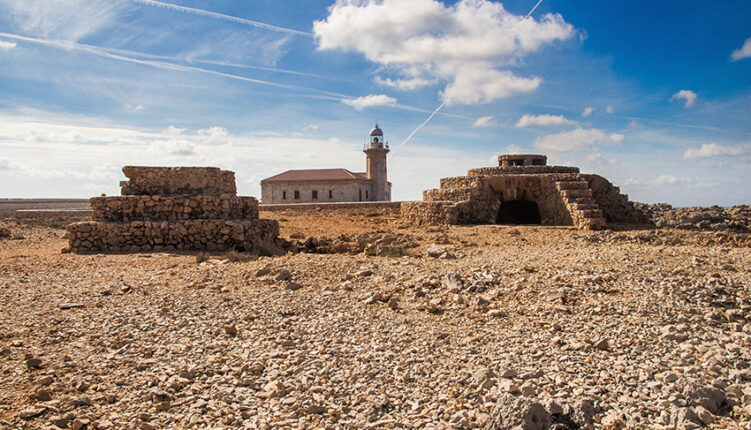
Favàritx looks like something from another planet, surrounded by a dark landscape shaped by the tramontana wind. Punta Nati has a peaceful beauty, with its traditional dry-stone walls. Cavalleria offers some of the island’s most spectacular sunsets, while Cap d’Artrutx retains the charm of the old lighthouses where people once lived.
Some people explore Menorca beach by beach. Others prefer to discover it lighthouse by lighthouse.
10. Menorca Was Also a Land of Shoemakers and Craftspeople
Although tourism is now one of Menorca’s main economic drivers, the island had a thriving industrial sector for much of the 20th century.
Menorcan footwear became well known both in Spain and abroad, as did costume jewellery and jewellery making. These industries still have several well-established businesses on the island today.
This industrial tradition went hand in hand with farming and livestock, creating a much more diverse economy than many people imagine.
11. A Small Island… That You Never Stop Discovering
It may seem like a contradiction.
Menorca covers just over 700 km², yet those who return year after year keep discovering a new cove, a different walking trail, a hidden restaurant or a quiet spot to watch an unforgettable sunset.
Perhaps that’s one of the island’s most fascinating secrets: you never feel like you’ve discovered every last corner of it.
There’s always something new to discover.
Discover the Menorca That Steals Your Heart
The beaches are just the beginning.
The true essence of Menorca lies in the little details that don’t always make it into the guidebooks: a chat with a local cheese producer, the sound of a horse’s hooves during a festival, the quiet of a lighthouse at sunset or the peace of a cove reached on foot.
At Sonne Villas, we believe travelling is about much more than visiting beautiful places. It’s about understanding your destination, discovering its history and traditions, and getting to know the local way of life.